
What a veneer is, and what it is not
A veneer is a thin shell bonded to the front of a tooth. It changes colour, shape, length and the way light reflects off the surface. It does not straighten a bite, treat gum disease, or repair a tooth that has lost significant structure. Those problems need orthodontics, periodontal treatment or a crown, and a veneer placed on top of any of them will fail early.
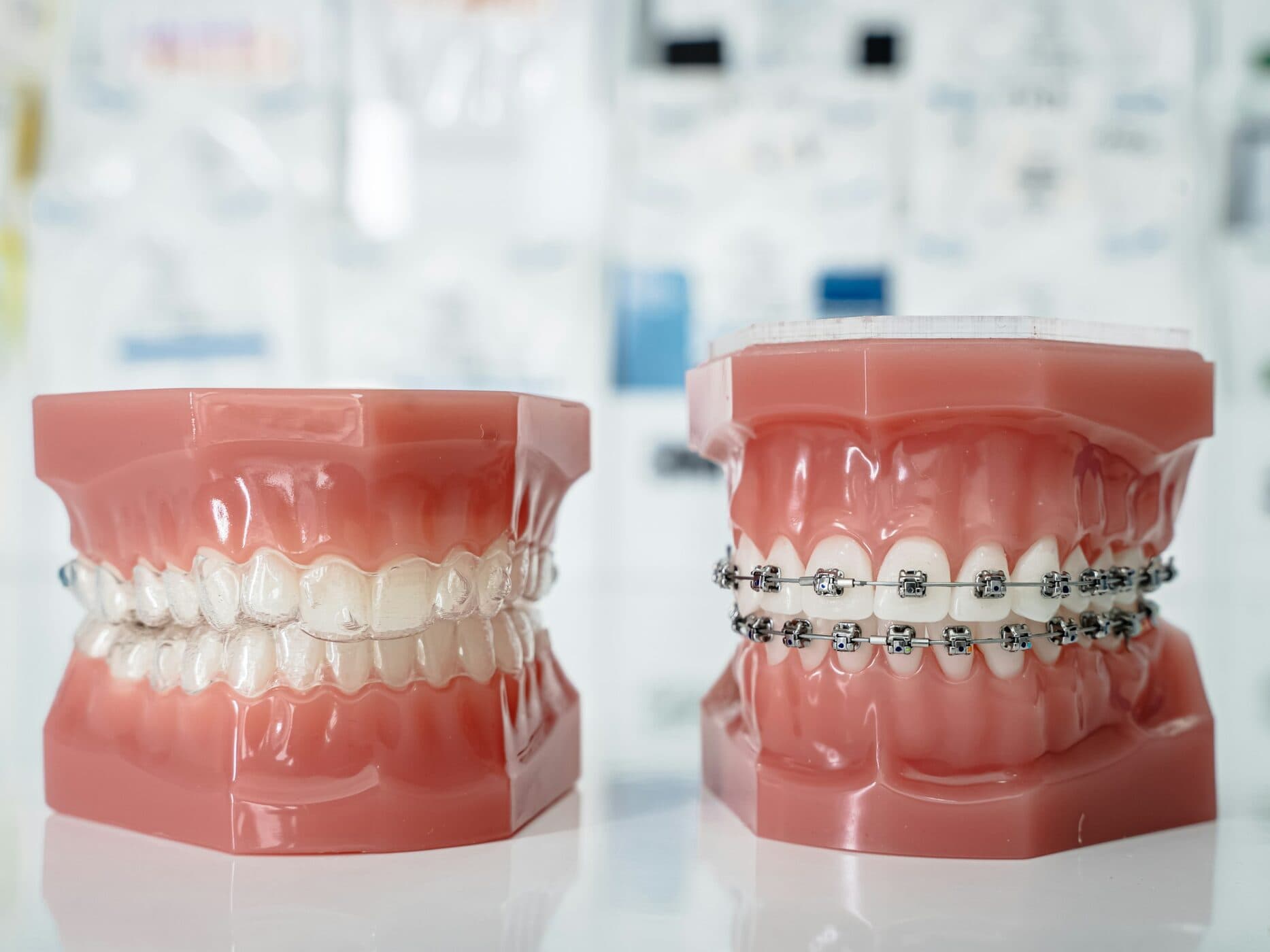
This distinction matters more in Dubai than the marketing suggests. A patient who wants straighter-looking teeth can often get a better and more durable result from aligners, keeping the natural tooth surface intact. A patient with worn edges from grinding needs the grinding addressed first. The consultation exists to sort out which category you fall into.
Porcelain and composite compared
Two materials cover most cases, and they suit different patients rather than different budgets.
Porcelain veneers are made in a laboratory from an impression or a digital scan, then bonded at a second visit. Porcelain resists staining well, holds its surface texture for years, and reflects light in a way that reads as natural at conversational distance. Expect roughly ten to fifteen years of service with good maintenance, though that figure varies with bite force and hygiene. The trade-off is that porcelain needs a small amount of enamel removed to sit flush, and that removal is permanent.
Composite veneers are built directly onto the tooth in a single visit using a resin the clinician shapes and cures by hand. Less enamel is removed, sometimes none at all. Composite can be repaired in the chair if it chips. It also stains over time, particularly with coffee, tea and shisha, and typically needs replacing or refinishing every five to seven years.
Neither is the better material in the abstract. Composite suits a patient who wants a reversible change or a single tooth corrected. Porcelain suits a patient committed to a longer-term result across several teeth.
What the process actually involves
Consultation and planning
The first appointment covers a clinical examination, photographs, and often a digital scan. The clinician checks the health of the teeth and gums before discussing appearance at all, because a veneer bonded to an unhealthy foundation is a short-term result. You should leave this visit knowing how many teeth are involved, which material is proposed, how much enamel will be removed, and what the total cost is.
Trial design
Many cases include a mock-up, either digital or a temporary resin overlay placed on your teeth so you can see the proposed shape in your own face. Use it. Photograph it, look at it in daylight, and say clearly if the length or shade is not what you wanted. Changes at this stage cost nothing.
Preparation and fitting
For porcelain, the clinician removes a fraction of a millimetre of enamel, takes a final scan, and fits temporaries while the laboratory works. The permanent veneers are bonded at a later visit, checked against your bite, and polished. Composite is completed in one longer appointment with no laboratory stage.
Review
A follow-up a week or two later checks the bite and the gum response. Minor adjustment at this point is normal, not a sign that something went wrong.
Who veneers suit
Veneers work well for teeth that are discoloured in a way whitening cannot shift, chipped or worn at the edges, mildly uneven in shape, or spaced with small gaps. They also work for a single tooth that does not match its neighbours after previous treatment.
They are a poor choice, or need other treatment first, if you have untreated decay or gum disease, if you grind your teeth without a nightguard, if your bite places heavy force on the front teeth, or if the underlying alignment problem is significant enough that aligners would serve you better. Pregnancy, active orthodontic treatment and unrealistic expectations about shade are all reasons to wait.
One caution specific to how veneers are marketed in this region: a full set of ten to twenty veneers is sometimes presented as a standard cosmetic package. For many patients it is more treatment than the problem requires. A clinician working conservatively will tell you if four teeth would achieve what you are asking for.
Cost in Dubai
Pricing depends on the material, the number of teeth, the laboratory, and whether preparatory treatment is needed first.
Be careful comparing quotes on price per tooth alone. Ask what laboratory is used, whether the quote includes the trial design and follow-up visits, and what the practice does if a veneer debonds in the first year.
Living with veneers
Brush and floss as normal; the margin where the veneer meets the tooth needs the same attention as any other surface. Wear a nightguard if you grind. Avoid biting directly into hard items with the veneered teeth, so no ice, no opening packaging, no pistachio shells. Composite responds well to a polish at your regular hygiene visit. Porcelain does not stain, but the natural teeth around it still do, which is worth knowing if you whiten later.
Common questions
Does getting veneers hurt?
Preparation is done under local anaesthetic and most patients report pressure rather than pain. Sensitivity to hot and cold for a few days after porcelain preparation is common and settles.
Can veneers be removed?
Composite can often be removed with little or no loss to the tooth. Porcelain cannot be reversed, because the enamel removed to fit it does not grow back. The tooth will always need a veneer or crown from that point on. This is the single most important thing to understand before agreeing to porcelain.
Will they look obviously fake?
That depends on shade selection and shape, both of which you approve at the trial stage. A shade several steps brighter than your natural colouring reads as artificial in daylight regardless of how well the veneers are made.
How long do they last?
Porcelain commonly lasts ten to fifteen years, composite five to seven. Both figures assume good hygiene, no untreated grinding, and regular check-ups.
Next step
A consultation at MID Clinic in City Walk covers examination, photographs and a written plan, including whether veneers are the right treatment for what you want to change. Book a consultation or read more about cosmetic dentistry at MID.
This article is general information, not a diagnosis or treatment plan. Suitability for veneers can only be established at a clinical examination. Reviewed by Dr. Abdelrahman Ezzat, General Dentist, MID Clinic, Dubai.